February 11, 2026
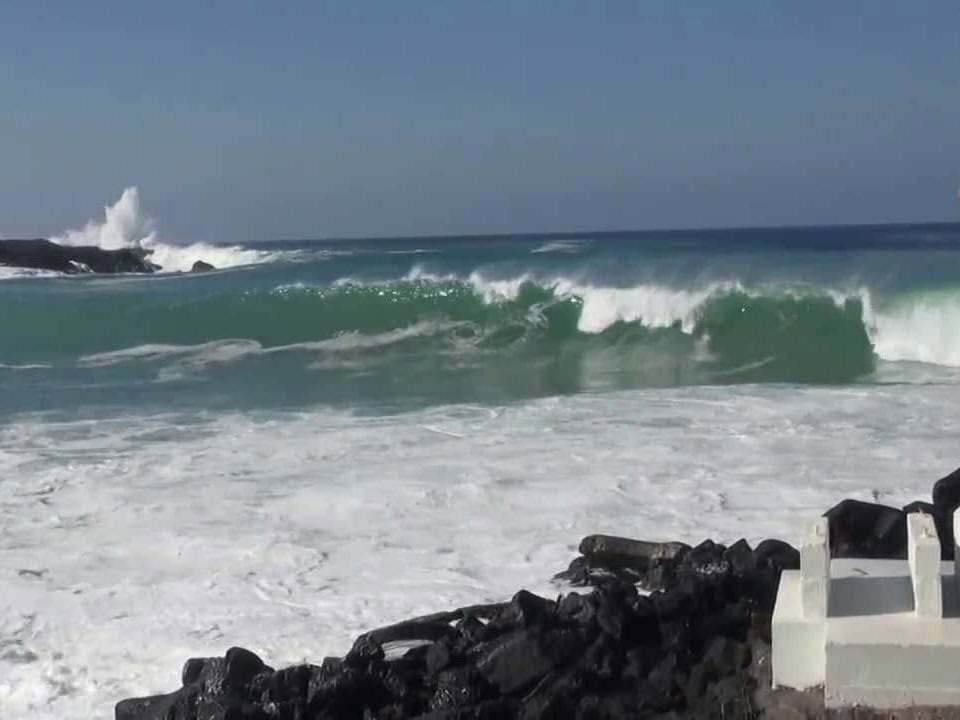
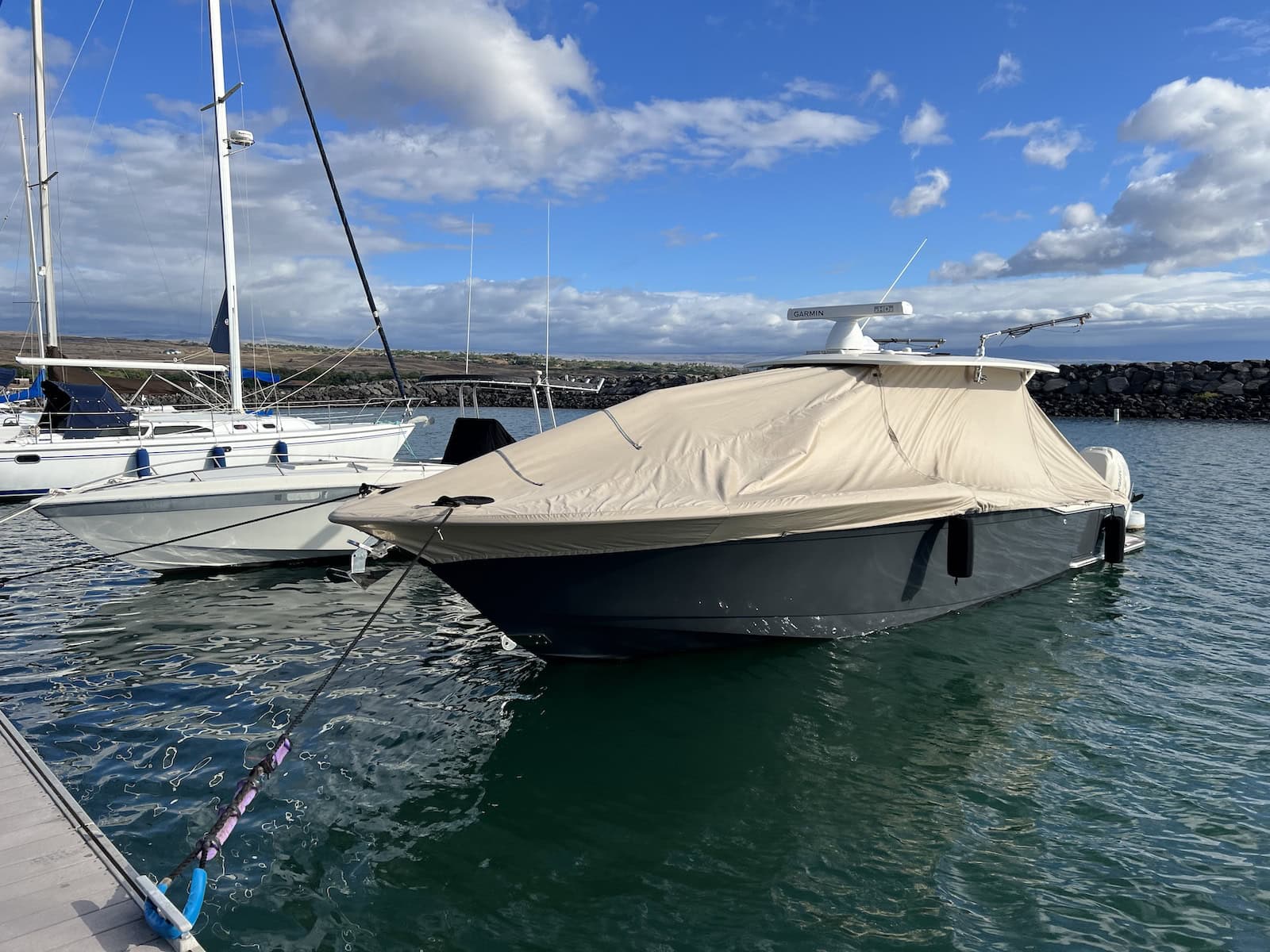
Winter in Hawaiʻi doesn’t mean snow, except on Mauna Kea, —but it does mean powerful north-west swells, surge in harbors, stronger winds, and higher stress on boats that live in the water. If your vessel stays in-slip year-round, a little prep before swell season can save you thousands in damage and downtime.
Here’s how to properly prepare your in-water boat for winter swells in Hawaiʻi.
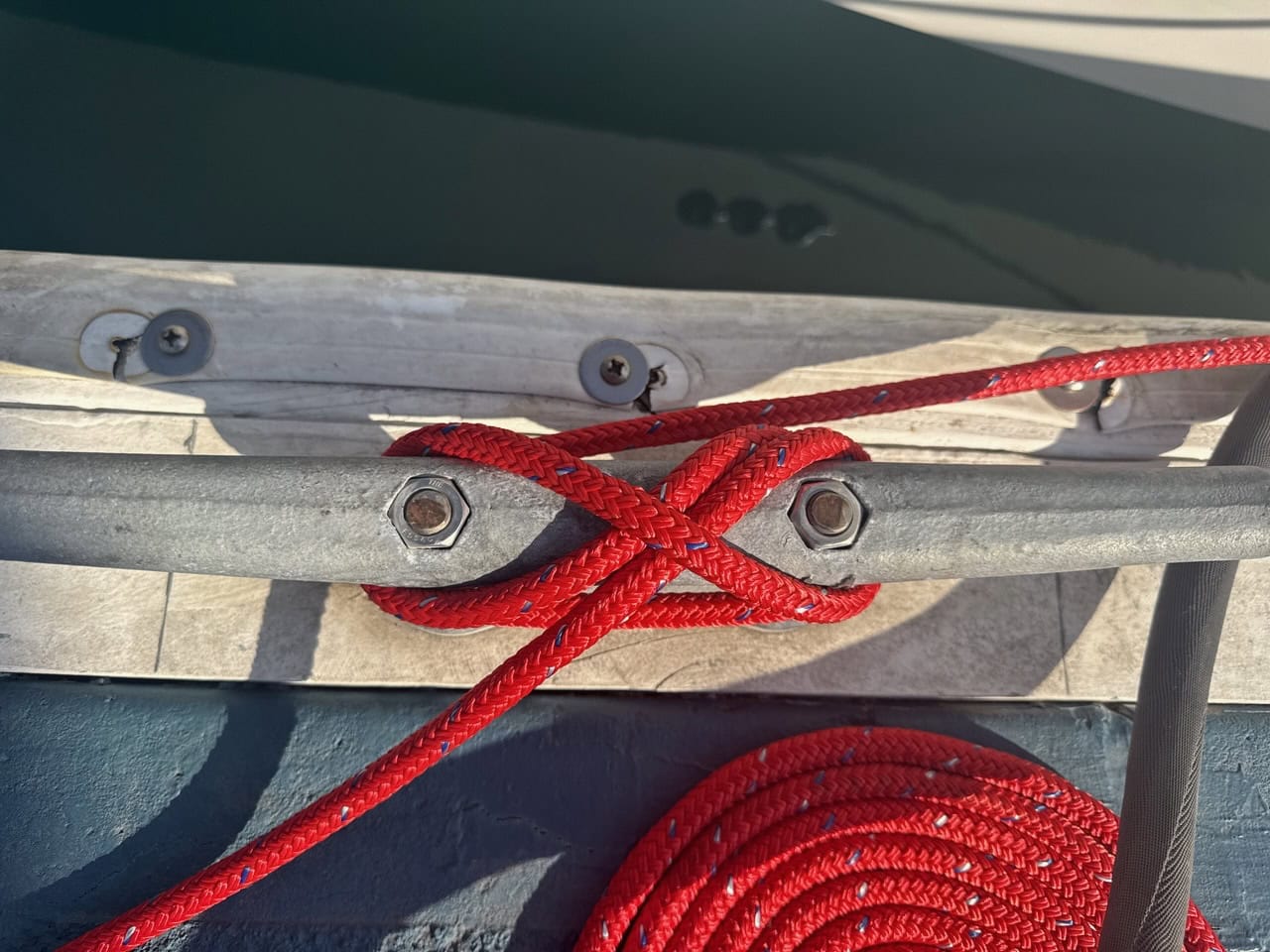
- Upgrade and Re-Rig Your Dock Lines
Winter swells create surge, not just wind. Boats move forward, aft, and vertically, which is where dock line failures happen.
Best practices:
- Add extra spring lines (both forward and aft)
- Use longer lines to allow stretch
- Upgrade to double-braid nylon for shock absorption
- Avoid old, sun-baked, chafed or stiff lines
👉 Pro tip: If a line snaps under load, it was already overdue for replacement.
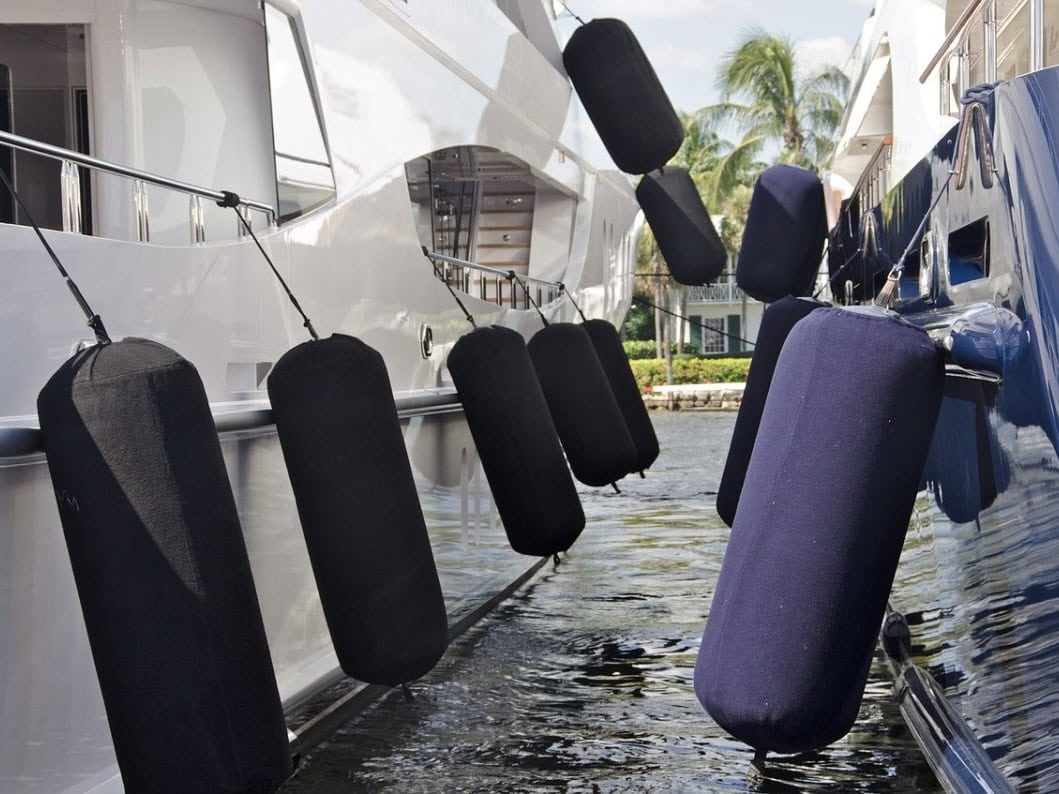
- Double Up Your Fenders (and Place Them Correctly)
Standard summer fender setups usually aren’t enough once surge kicks in.
What to do:
- Add extra fenders at the widest beam
- Stack fenders vertically where docks rise and fall
- Use larger oversized fenders instead of more small ones
- Check fender height at both high and low tide
- Reduce Windage Wherever Possible
Winter systems often bring strong trades and kona winds. Less windage = less load on your lines.
Secure or remove:
- Canvas, eisenglass, and sun shades
- Loose covers
- Flags and unnecessary topside gear
If it can flap, rattle, or catch air—secure it or remove it.
- Check Shore Power, Cords, and Connections
Surge can yank on power cords just as hard as dock lines.
Checklist:
- Confirm cords have slack for vertical movement
- Use cord strain reliefs
- Inspect plugs for corrosion and heat damage
- Test breakers and GFCIs
A damaged shore power cord during swell can lead to tripped systems—or worse.
- Inspect Bilge Pumps and Alarms
Heavy weather exposes weak bilge systems fast.
Before swell season:
- Test automatic and manual bilge pumps
- Clean debris from bilge compartments
- Confirm float switches move freely
- Verify bilge alarms (if equipped) are working
If rain, spray, or a failed hose adds water, your pumps are your last line of defense.
- Tighten Cleats, Chocks, and Hardware
Surge loads transfer directly into your boat’s hardware.
Inspect:
- Cleat backing plates
- Loose bolts or movement
- Chocks and fairleads for sharp edges
Any movement now becomes structural damage later.
- Monitor Forecasts and Adjust Early
The biggest mistakes happen when people wait too long.
When a swell warning pops up:
- Re-check lines and fenders before the surge arrives
- Adjust for predicted swell direction
- Walk the dock and look at how neighboring boats are rigged
Winter swells are predictable. Damage usually isn’t.
Two Ways We Can Help You Get Winter-Ready
Whether you want a one-time professional check or full hands-off management, Pacific Boats & Yachts offers two clear options to make sure your boat is properly prepared for winter swell conditions.
Option 1: Winter Readiness Inspection & Repairs
If you’d like a professional set of eyes on your boat before winter swells ramp up, our team can perform a Winter Readiness Inspection on your in-water vessel.
We’ll evaluate:
- Dock lines, spring lines, knots, and attachment points
- Fender sizing, placement, and coverage
- Med-moor and Tahiti-style mooring geometry and movement
- Chafe risk at fixed concrete docks and cleats
- Shore power slack and cord strain relief
- Bilge pumps, float switches, and basic storm readiness
After the inspection, you’ll receive clear recommendations. If anything needs attention, we can coordinate or complete the repairs and upgrades—from replacing dock lines and adding chains and shackles to making small hardware adjustments—so your boat is ready before the next swell cycle.
This option is ideal if you want peace of mind without committing to ongoing management.
Option 2: Full Vessel Management with Kai Koa Club
For true hands-off ownership, Kai Koa Club members don’t have to think about winter prep at all—we handle it automatically.
As part of Kai Koa Club management, our team:
- Adjusts dock lines seasonally for winter surge
- Sets up proper Med-moor and Tahiti-style configurations
- Installs and maintains chain-and-shackle systems on concrete docks
- Secures windage, canvas, and shore power
- Monitors forecasts and proactively re-rigs before major swell events
- Coordinates repairs and ongoing maintenance as needed
Your boat is actively managed, monitored, and prepared—so it can move safely with the harbor instead of fighting it.
Which Option Is Right for You?
- Just want to know if your boat is winter-ready?
Start with a Winter Readiness Inspection. - Want it fully handled, year-round?
Kai Koa Club provides complete vessel management and storm preparedness.
Either way, our goal is the same: protect your boat, reduce risk, and make winter in Hawaiʻi stress-free.
If you’d like to schedule an inspection or learn more about Kai Koa Club, reach out anytime. 🤙
Final Thought: Winter Prep Is Cheaper Than Repairs
Most winter swell damage we see comes from:
- Old dock lines
- Not enough spring lines
- Poor fender placement
- Waiting until the harbor is already surging
A couple hours of prep can prevent gelcoat damage, bent rails, broken cleats—or worse.
If you want professional help setting your boat up for winter conditions, our vessel management team can handle everything from dock line upgrades to ongoing storm monitoring.
Stay safe, stay secure, and enjoy the season—just with a little more preparation. 🤙
Either way, our goal is the same: protect your boat, reduce risk, and make winter in Hawaiʻi stress-free.