November 10, 2025

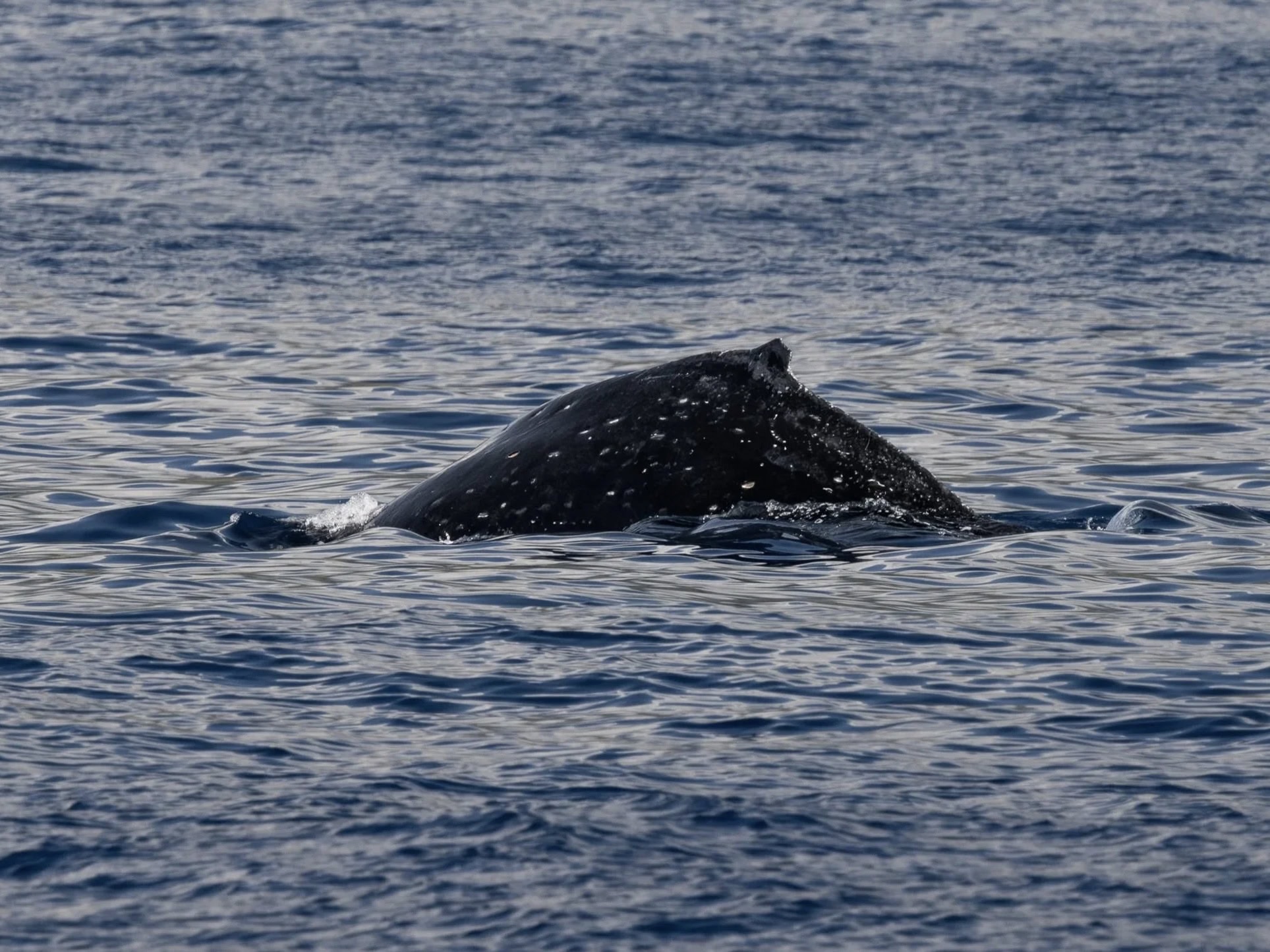
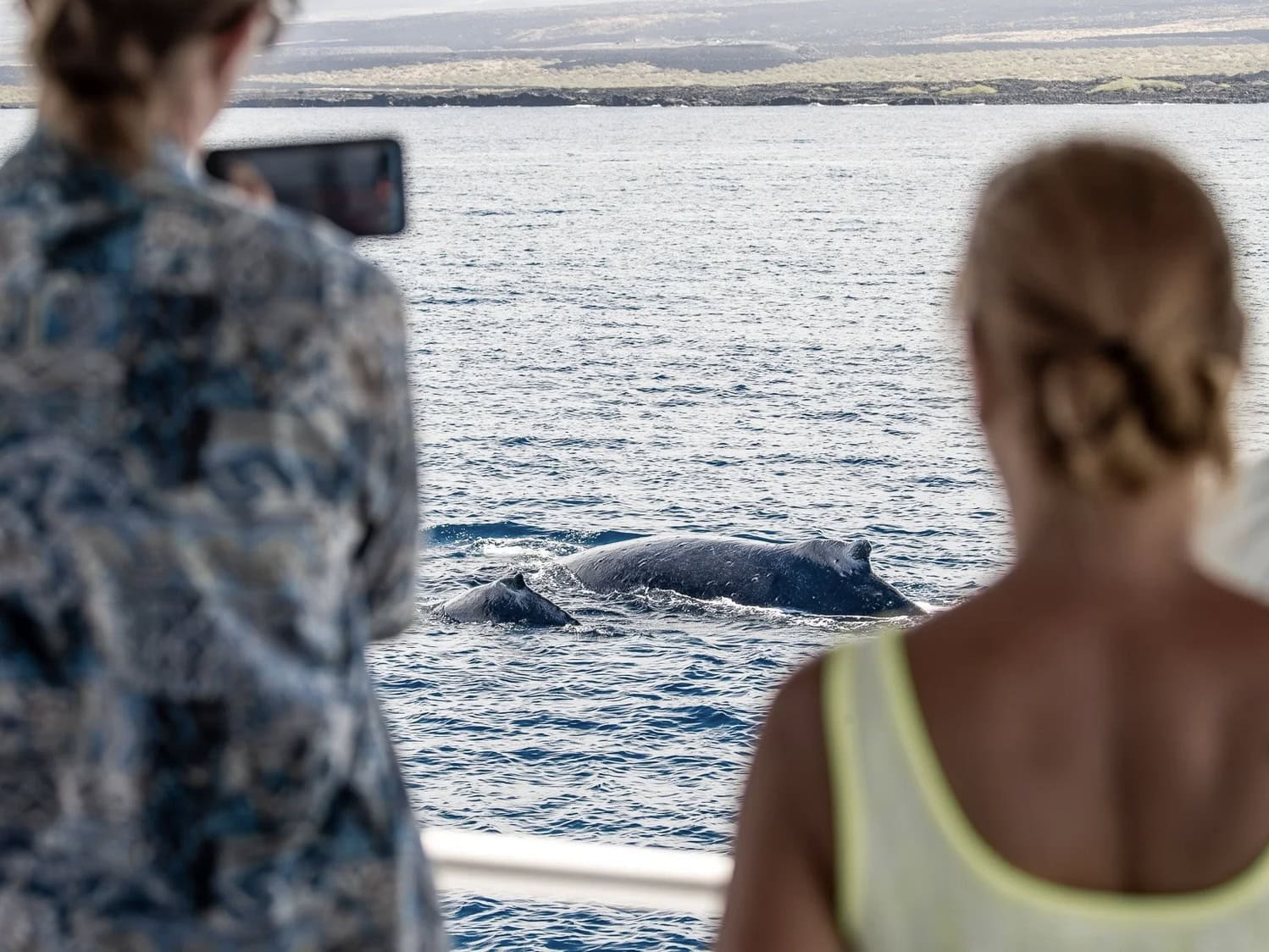
The 2025–2026 humpback whale season is officially underway across the Hawaiian Islands. Every year, humpback whales (koholā) migrate thousands of miles from Alaska to Hawaii to breed, give birth, and care for their calves in the islands’ warm, sheltered waters.
Early sightings are already being reported, signaling the start of a season filled with incredible opportunities to observe these majestic animals throughout the state.
First Humpback Sightings Across Hawaii
-
The first whale of the 2025–2026 season was spotted in Maui in September 2025, according to local reports.
-
Shortly after, sightings were reported in Kauai, showing that humpback activity has begun across multiple islands.
-
On October 30, 2025, Hawaiian Adventures Kona recorded the first Big Island sighting off Kona.
These early arrivals give whale watchers, boaters, and nature enthusiasts a head start on the season and an opportunity to witness mothers with calves, breaching adults, and playful juveniles.
Whale Watching Across Hawaii
Humpback whales can be seen around all the Hawaiian Islands, from shorelines to offshore waters:
-
Maui: Particularly around Lahaina, Ma‘alaea, and the channel between Maui and Moloka‘i.
-
Hawai‘i Island (Big Island): Nearshore waters and bays, with Kona offering calm areas for observation.
-
O‘ahu: Leeward coastlines such as Honolulu and Ko Olina provide good sightings.
-
Kaua‘i and Moloka‘i: Quieter vantage points make these islands ideal for observing mothers and calves.
Whale watching can be done from shore, on guided tours, or from your own boat. Having access to a boat allows you to explore multiple islands’ waters at your own pace and experience quiet, flexible encounters.
Responsible Whale-Watching Practices
Humpback whales are protected in Hawaii, and responsible observation is key to their safety and well-being:
-
Keep your distance: Maintain at least 100 yards (≈91 meters) from whales, and allow them to approach you if they choose.
-
Slow down: Reduce speed or cut engines when whales are nearby to minimize disturbance.
-
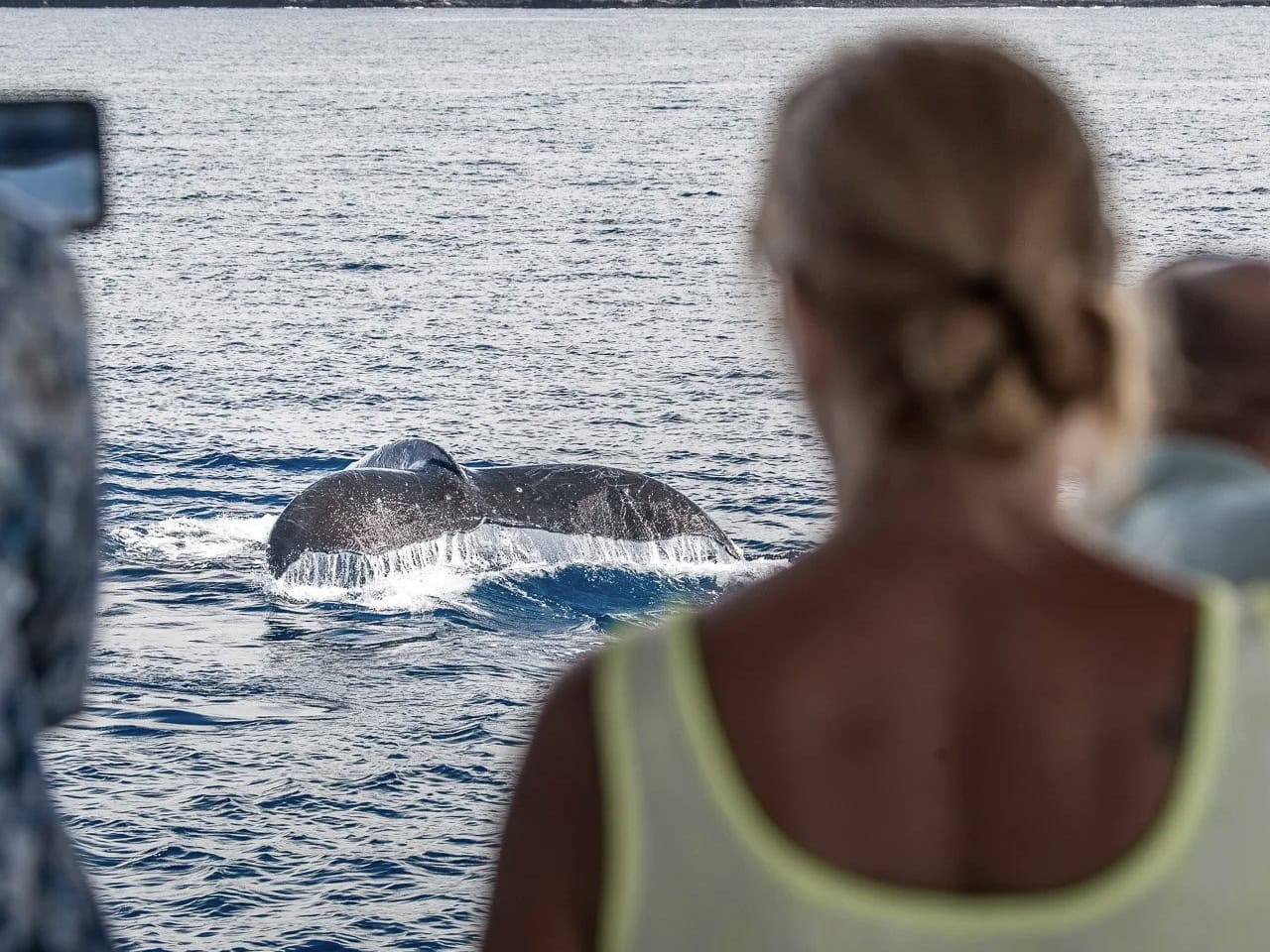
Be patient: Quiet observation often provides the best views of breaching, tail slaps, and playful calves.
-
Protect calves: Mothers with young whales are particularly vulnerable, so exercise extra caution.
-
Follow regulations: Hawaii’s marine-mammal guidelines ensure safe, responsible viewing for everyone.
What to Expect During the 2025–2026 Season
-
Early sightings in Maui and Kauai suggest the season is beginning slightly ahead of schedule.
-
Peak months for calves and juvenile whales remain December through March, though some sightings continue into spring.
-
In addition to humpbacks, visitors may encounter dolphins, pilot whales, and seabirds during trips across the islands.
-
Boat owners can take advantage of flexible schedules to explore multiple islands and maximize the chances of memorable sightings.
Enjoying Hawaii’s Whale Season
Hawaii’s whale season is an opportunity to connect with one of the ocean’s most majestic creatures. Whether observing from a shore lookout, joining a guided tour, or venturing out on your own boat, patience, respect, and awareness of regulations make the experience safe and rewarding.
Mahalo, and happy whale watching!
If you own a boat, take the opportunity to enjoy personalized whale-watching adventures while following responsible viewing practices.