March 19, 2026
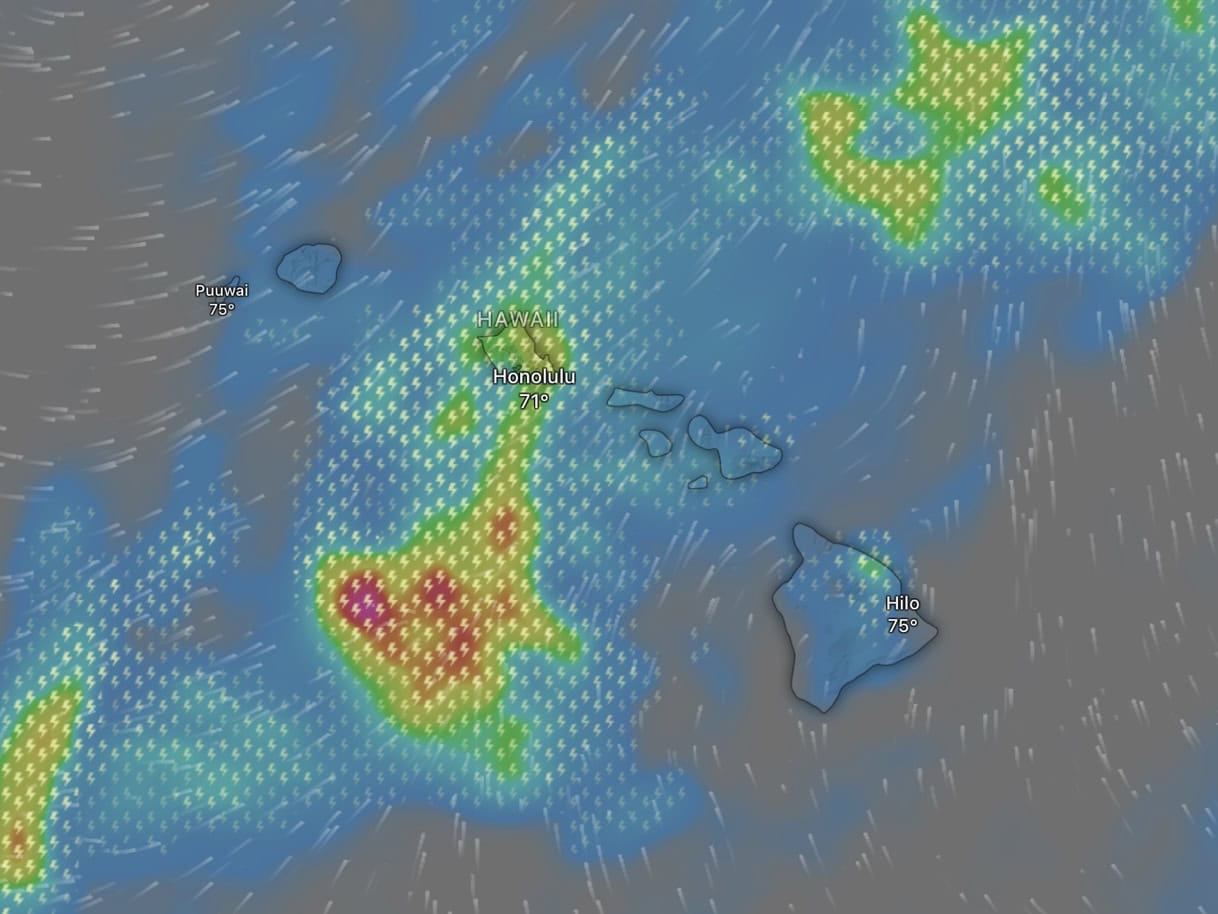
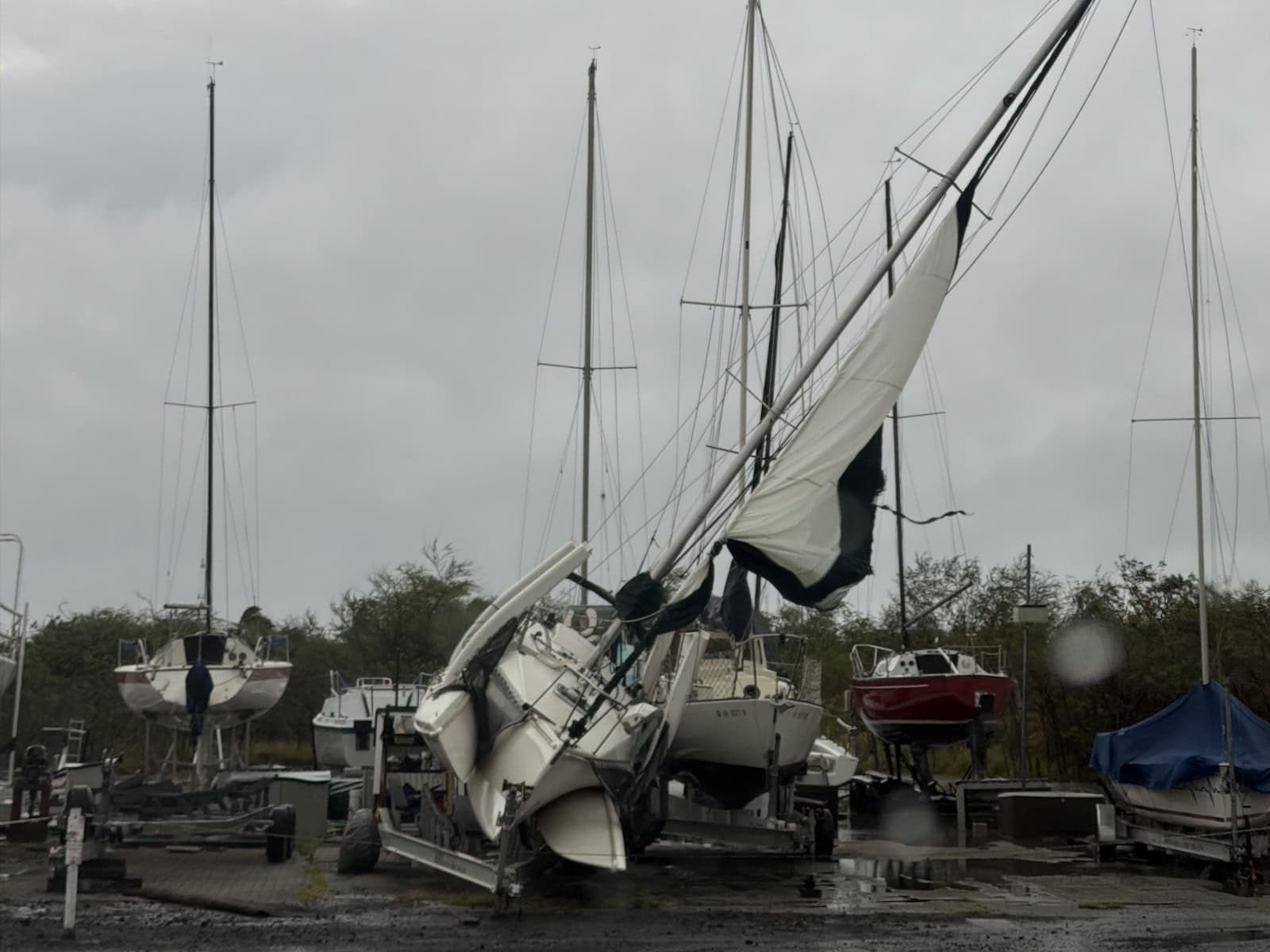
Last weekend’s Kona low storm system brought a reminder of just how quickly conditions can change in Hawaii. With heavy rainfall, strong winds, and widespread flooding across the islands, the storm impacted everything from roadways to coastal waters—and for boaters, the effects don’t end when the weather clears.
For those with vessels in the water or preparing to get back out, now is the time to take a closer look.
A Different Kind of Storm
Unlike typical trade wind weather, Kona lows approach from the south and can linger over the islands. This recent system delivered:
-
Prolonged heavy rainfall, with some areas of the Big Island seeing well over 10 inches
-
Strong, shifting winds, including gusts exceeding 50–60 mph in some areas
-
Widespread flooding and runoff, particularly in South Kona and Kaʻū
For boaters, these conditions create a unique set of challenges—especially along coastlines and inside harbors that aren’t typically exposed to this type of weather.
What Happened on the Water
While much of the focus during the storm was on flooding and road closures, the marine environment saw its own impacts.
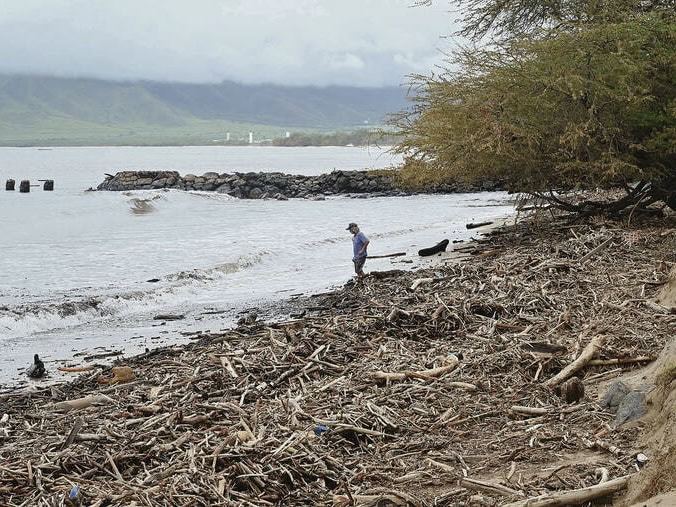
Heavy rainfall pushed large amounts of debris—including vegetation, branches, and runoff—into nearshore waters and harbor areas. In some locations, boat ramps and shoreline access points were covered with flood debris.
Combined with shifting winds and surge, these conditions likely:
-
Placed added strain on dock lines and moorings
-
Reduced water clarity and visibility
-
Increased the risk of floating debris hazards just outside harbors
-
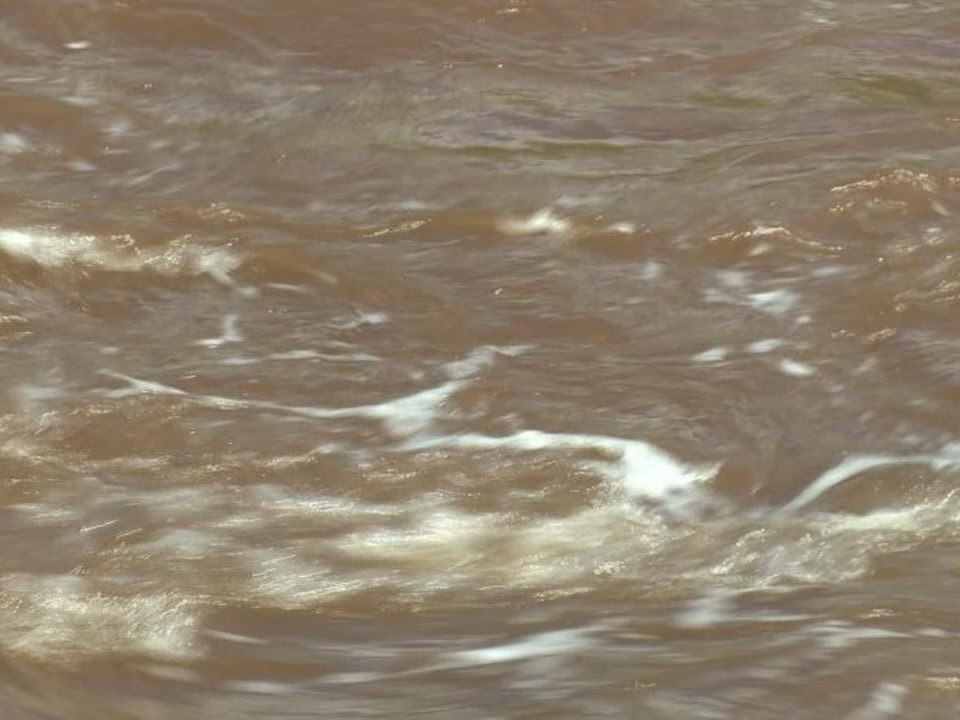
Introduced contaminants and sediment into coastal waters
Even after the storm passes, these effects can linger for days.
What to Check Before Your Next Trip
If your boat was in the water during the storm—or even if it wasn’t—this is a good time to do a quick inspection before heading back out.
Start with the basics:
-
Dock lines and fenders – Check for chafe, stretching, or weakened points
-
Bilge systems – Confirm pumps are working properly and compartments are dry
-
Hull and running gear – Look for debris impact, especially around props and intakes
-
Electronics and batteries – Ensure everything powered through the storm without issue
And don’t forget the environment:
-
Expect debris in and around harbor entrances
-
Be cautious in murky or discolored water
-
Give yourself extra time when navigating in and out
A little extra awareness now can prevent bigger issues later.
A Reminder for Hawaii Boaters
Storms like this are part of boating in Hawaii. Kona lows, in particular, can bring conditions that feel very different from the typical trade wind pattern most boaters are used to.
The takeaway isn’t just about this past weekend—it’s about staying prepared:
-
Keeping your vessel properly secured
-
Knowing how changing weather affects your harbor
-
Taking time to inspect your boat after major events
Keeping Your Boat Ready
For many boat owners, especially those balancing busy schedules, staying on top of maintenance and storm preparation can be a challenge.
Programs like Pacific Boats & Yachts’ Kai Koa Club are designed to help simplify ownership in Hawaii—providing ongoing vessel oversight, maintenance coordination, and readiness support so your boat is prepared not just for the next trip, but for changing conditions like these as well.
Storms come and go, but the ocean—and your boat—are always there waiting. A little preparation and awareness go a long way toward making sure your next day on the water is a good one.